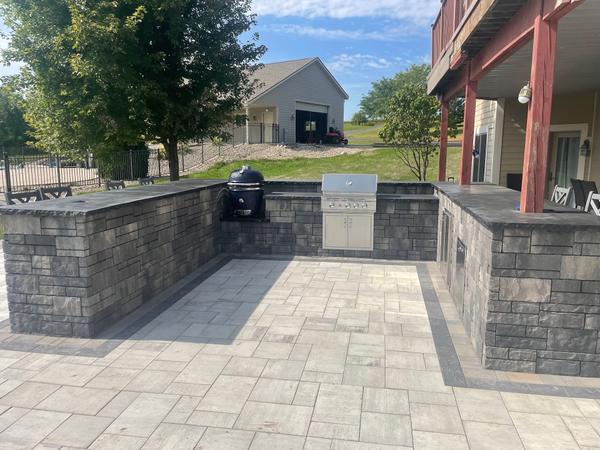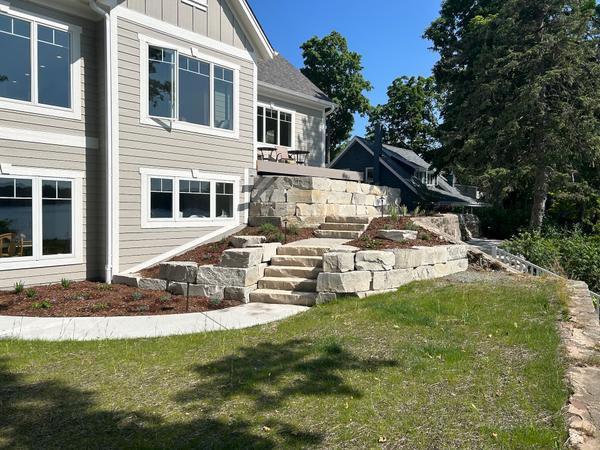

Phased Backyard Renovation: How to Build Over Time Without Wasting Money
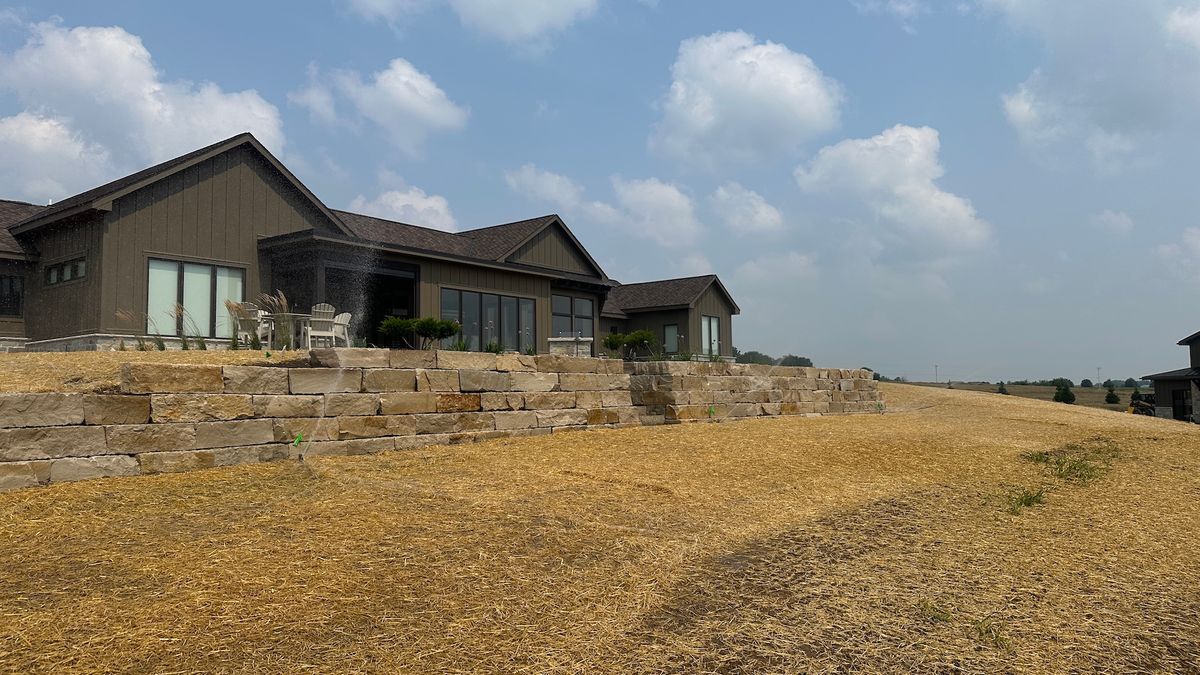
A phased backyard renovation allows homeowners to improve their property over time without committing to a full build in a single season. Done correctly, it protects both the landscape and the budget. Done poorly, it creates unnecessary rework.
The key is not simply spreading costs out. The key is sequencing.
The first phase should protect every future phase.
Why Phasing Makes Sense
Many homeowners prefer landscaping in stages. Budget flexibility, evolving priorities, and seasonal timing all influence the decision.
But a backyard renovation in phases only works when long term planning happens at the beginning. Installing a patio this year and deciding on lighting or irrigation later is common. The problem arises when utilities were never planned beneath the surface.
Excavation equipment does not care whether the lawn was installed last season.
Phase One Should Be Infrastructure
In a phased backyard renovation, the first stage should almost always address foundational elements. This may include drainage planning, grading corrections, retaining wall structures, and utility sleeves for future gas or lighting.
Even if decorative elements are delayed, the groundwork should anticipate them.
For example, if a future fire feature is possible, running a gas sleeve beneath the patio during initial construction prevents cutting into finished hardscape later. The same logic applies to landscape lighting conduits or irrigation routing.
Infrastructure rarely looks impressive, but it protects long term value.
Phased Patio Installation
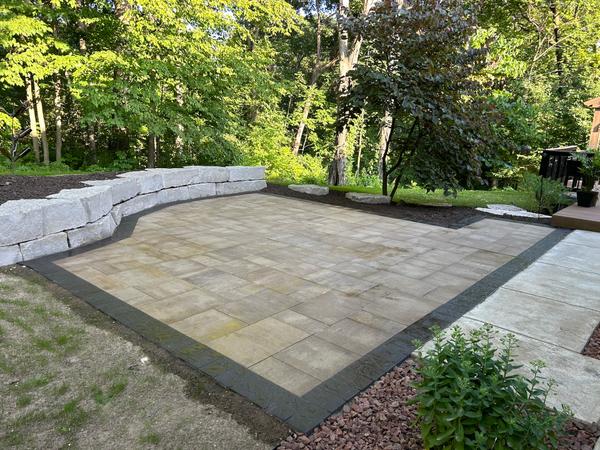
Some homeowners install a smaller patio initially with plans to expand. This can work well when base preparation is extended to account for future square footage.
Without that foresight, expansion often requires removing edge restraints, cutting pavers, and disturbing compacted soil.
A properly designed phased patio installation allows future growth without visual patchwork.
The surface may evolve. The structure beneath it should already be prepared.
Landscaping in Stages Without Rework
Planting design is one of the most flexible components of a project. It can be installed in stages more easily than structural hardscape.
However, long term landscape planning still matters.
Spacing must anticipate mature plant size. Irrigation routing should align with final layout, not temporary arrangements. Soil preparation should reflect the complete vision, even if installation is partial.
When plantings are rushed into leftover areas without a master plan, they often need to be relocated later.
That is avoidable.
Outdoor Living Budget Planning
Outdoor living budget planning becomes more predictable when costs are broken into categories.
A phased backyard renovation may include:
Structural groundwork and drainage
Patio construction
Retaining walls
Fire features
Landscape lighting
Planting installation
Each category can stand on its own timeline. What matters is understanding which categories depend on others.
Drainage depends on grading. Lighting often depends on hardscape routing. Retaining walls influence patio elevation.
Phasing should follow structural logic, not aesthetic preference.
What Not to Delay
Certain elements should rarely be postponed:
Drainage corrections
Major grading adjustments
Retaining wall base preparation
Utility sleeves beneath hardscape
Delaying these items typically increases cost later because finished surfaces must be disturbed.
Cosmetic upgrades can wait. Structural groundwork should not.
A Realistic Timeline
A typical phased backyard renovation might unfold across two to three seasons. Year one may focus on structural groundwork and primary patio installation. Year two could introduce planting and lighting. Year three may add enhancements such as fire features or expanded seating.
This approach works best when every phase is guided by a master layout created at the beginning.
Without that plan, phasing becomes reactive rather than strategic.
Planning a patio, fire feature, or outdoor kitchen? See how we approach Outdoor Living Spaces