Privacy Screening Plants: Low Maintenance Backyard Solutions
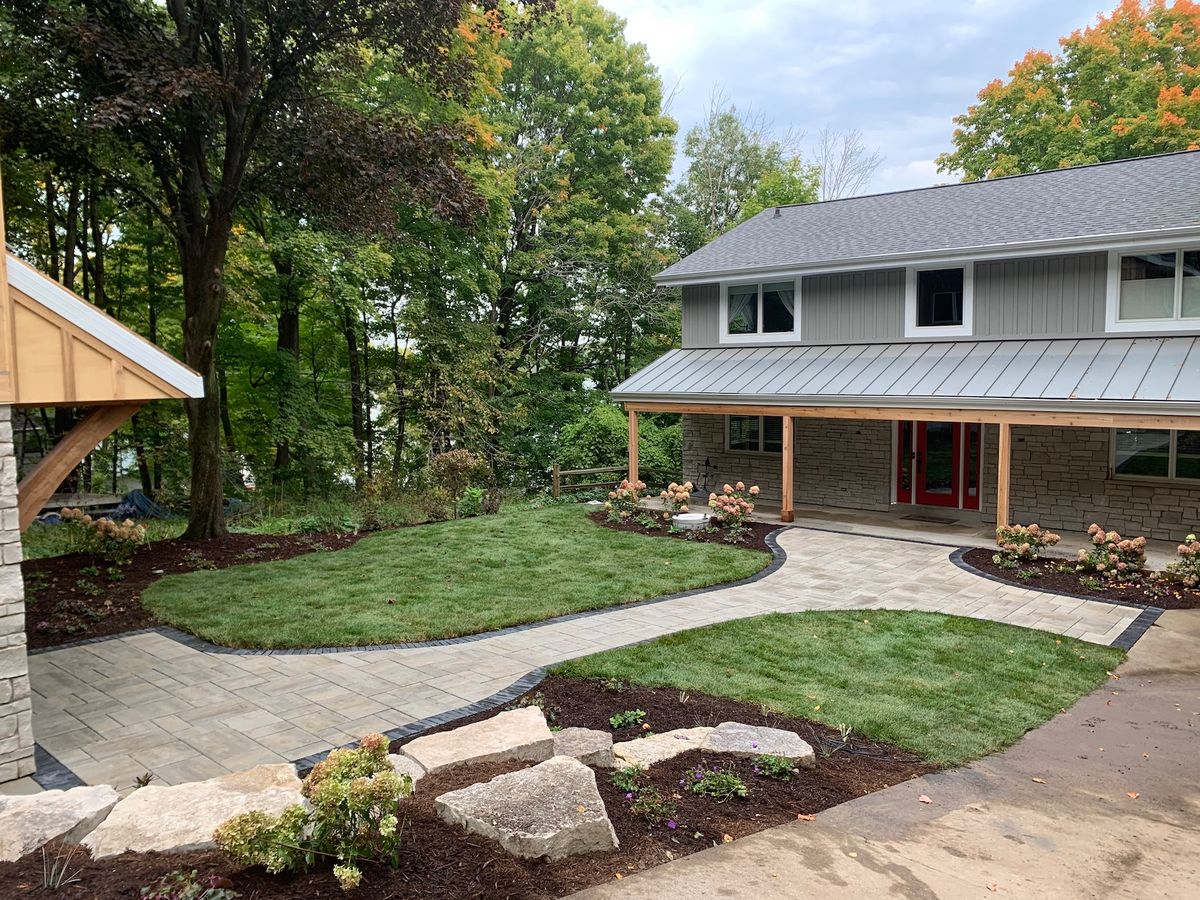
Privacy screening plants are often the final layer of an outdoor living plan. They soften hardscape, define boundaries, and create visual separation from neighboring properties.
But planting design for privacy should not be rushed. Plant selection, spacing, and long term growth patterns determine whether screening feels natural or crowded within a few seasons.
Good privacy landscaping looks intentional from day one and balanced five years later.
Choosing the right plants requires thinking beyond immediate coverage.
Understanding Backyard Privacy Landscaping
Backyard privacy landscaping is not just about blocking views. It is about shaping sight lines.
Before selecting an evergreen privacy screen, consider:
Where privacy is truly needed
Which views you want to preserve
Sun exposure across seasons
Soil conditions
Available planting depth
In Lake Country landscaping, properties often have varying elevations. Layered planting design can create screening without building solid visual walls.
Strategic placement often reduces the number of plants required.
Evergreen vs Deciduous Screening
Evergreen privacy screen plantings provide year round coverage. Deciduous plants offer seasonal variation but lose foliage in winter.
Evergreen screening works well when:
Year round privacy is necessary
Neighboring structures are close
Winter visibility is a concern
Deciduous screening works well when:
Seasonal openness is acceptable
The goal is soft visual filtering rather than complete blockage
Mature canopy spread supports layered screening
A combination often produces the most natural result.
Spacing and Long Term Growth
One of the most common mistakes with privacy screening plants is planting too tightly.
Homeowners want immediate coverage. However, overcrowding leads to:
Restricted root growth
Poor air circulation
Increased disease risk
Long term thinning
Low maintenance privacy plants are typically spaced according to mature width rather than current size.
Patience produces healthier growth.
Maintenance Considerations
Low maintenance privacy plants reduce pruning and watering demands.
When selecting plants, consider:
Mature height and width
Growth rate
Water requirements
Soil tolerance
Resistance to local pests
In southeastern Wisconsin, plant hardiness and freeze tolerance are critical. Choosing species suited to climate reduces long term replacement costs.
Maintenance expectations should match how much time homeowners want to invest.
Layered Privacy Design
Effective planting design for privacy rarely relies on a single row.
Layered layouts may include:
Taller evergreen backdrop
Mid height shrubs
Ornamental grasses
Accent trees
Layering adds depth and reduces the appearance of a solid hedge wall.
This approach also integrates better with patio design and retaining walls, softening hardscape transitions.
Integrating Privacy With Outdoor Living
Privacy screening plants should support overall outdoor living design.
Consider:
Views from inside the home
Lighting placement
Patio circulation
Future plant growth near hardscape
Planting too close to retaining walls or patios can create maintenance challenges later.
Proper spacing preserves both plant health and structural performance.
Budget Planning for Screening
Privacy landscaping cost depends on:
Plant size at installation
Quantity required
Soil preparation
Irrigation adjustments
Larger initial plantings provide faster coverage but increase upfront cost. Smaller plantings reduce budget pressure but require time to mature.
Phased planting is often possible when layout is planned correctly.
Privacy screening plants should feel like part of the landscape, not a barrier placed in response to neighbors. When selected carefully and spaced properly, they provide long term coverage without creating future maintenance problems.
Planning a patio, fire feature, or outdoor kitchen? See how we approach Outdoor Living Spaces