
How Shoreline Permits Work in Wisconsin (And Why Projects Get Delayed)
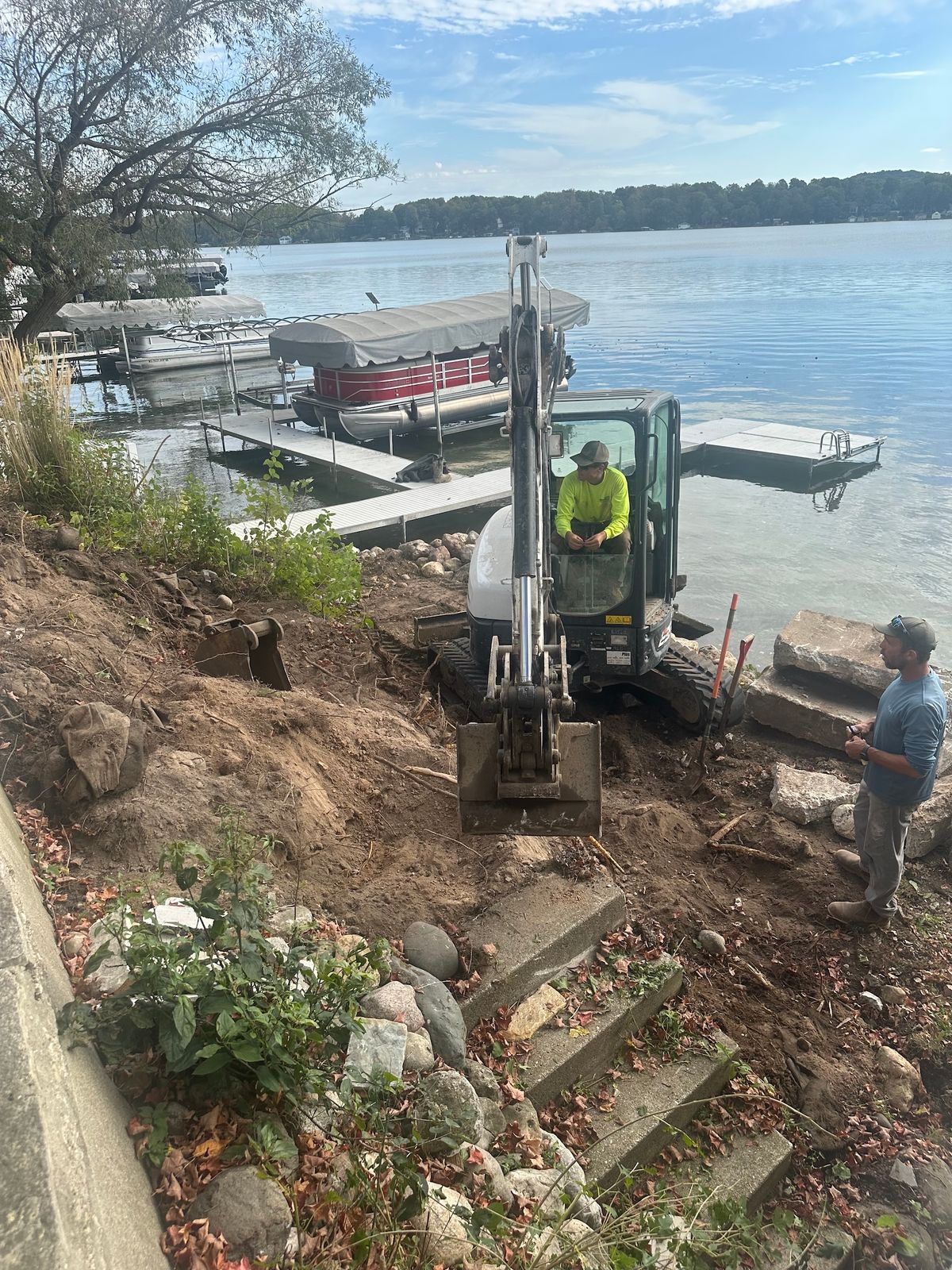
If you are planning construction near the water, understanding the shoreline permit process in Wisconsin is one of the most important early steps. Many lakefront projects require more than a simple building permit. Depending on scope and location, approvals may involve municipal zoning offices, county shoreland departments, and sometimes the Wisconsin Department of Natural Resources.
Permitting is one component of complete Lakeside Living planning, which also includes stabilization, frontage design, and structural coordination.
Delays rarely happen because a project is unreasonable. They usually happen because requirements were not clarified before design began.
Knowing how shoreline permits in Wisconsin are reviewed allows you to plan more predictably.
Why Shoreline Permits Exist
Wisconsin shoreland zoning regulations are designed to protect water quality and manage erosion. Construction close to a lake affects runoff patterns, soil stability, and natural vegetation buffers.
Permit review ensures that improvements align with setback boundaries, impervious surface limits, and shoreline stabilization standards.
The purpose is oversight, not obstruction.
When projects are prepared correctly, approvals are often straightforward.
What Typically Requires Review
Not every improvement near a lake triggers a full permit process. However, many do.
Common examples include:
Grading changes near the water
Expanded patios within regulated zones
Structural additions inside the 75-foot setback area
Boathouse or pier-related site work
Even replacing an existing structure may require documentation if current zoning standards apply.
Assumptions are where delays begin.
Who Reviews Shoreline Projects?
The lakefront permit process varies by municipality, but it often involves multiple layers.
Local zoning offices review setback compliance and structural placement. County shoreland departments may evaluate grading and erosion control plans. In some cases, DNR shoreline approval is required if work affects the ordinary high-water mark.
Larger projects may require board or planning commission review.
Understanding which agencies apply to your property prevents missteps.
Why Projects Get Delayed
Most shoreline permit delays stem from incomplete information or misaligned design.
Common causes include:
Inaccurate setback measurements
Missing drainage details
Impervious surface calculations that exceed limits
Construction drawings that conflict with zoning standards
When plans must be revised mid-review, timelines extend.
The permit process is predictable when the groundwork is done correctly.
Preparation determines pace.
How to Keep the Process Moving
The most effective way to avoid delays is to treat permitting as part of the design phase rather than an afterthought.
Confirm setback boundaries early. Map the ordinary high-water mark accurately. Align structural placement with zoning limits before finalizing drawings. Ensure drainage planning is documented clearly.
When shoreline permit requirements in Wisconsin are addressed proactively, approvals tend to follow a smoother path.
A Realistic Timeline
Review timelines vary by season and municipality. Straightforward applications may move within weeks. Projects requiring additional review or conditional approval may take longer.
Factoring permit review into the overall construction schedule prevents unnecessary pressure once excavation is planned.
Lakefront construction requires coordination. Permitting is one part of that sequence.
Handled correctly, it supports the project rather than slowing it down.
Planning shoreline or lake access work? See how we approach Lakeside Living