
Homeowner's Guide to the DNR Waterway Permit (Form 3500-161)
If you own a lakefront property in southeastern Wisconsin and you are planning anything that touches the shore, riprap, a seawall replacement, a beach restoration, a boat ramp, dredging, biostabilization, or even a pier expansion, there is a strong chance the project triggers a Wisconsin DNR waterway permit. The application form most homeowners encounter is Form 3500-161, the Waterway Protection Permit Application.
This guide walks through what the form covers, what triggers it, what you actually have to submit, and where the timeline tends to stretch. It is written from the perspective of a contractor who files these regularly for Lake Country, Washington County, and Ozaukee County clients.
What Form 3500-161 Actually Is
Form 3500-161 is the umbrella application Wisconsin DNR uses to authorize most physical alterations to navigable waters and the bed of the lake. The same form covers a wide range of activities under Chapter 30 of the Wisconsin Statutes, including:
- Placing structures or fill below the ordinary high water mark
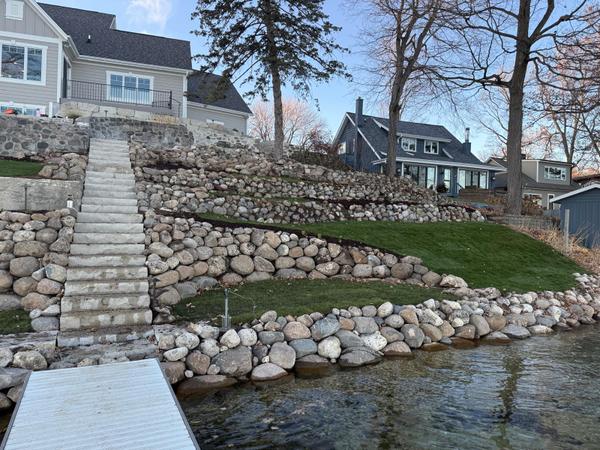
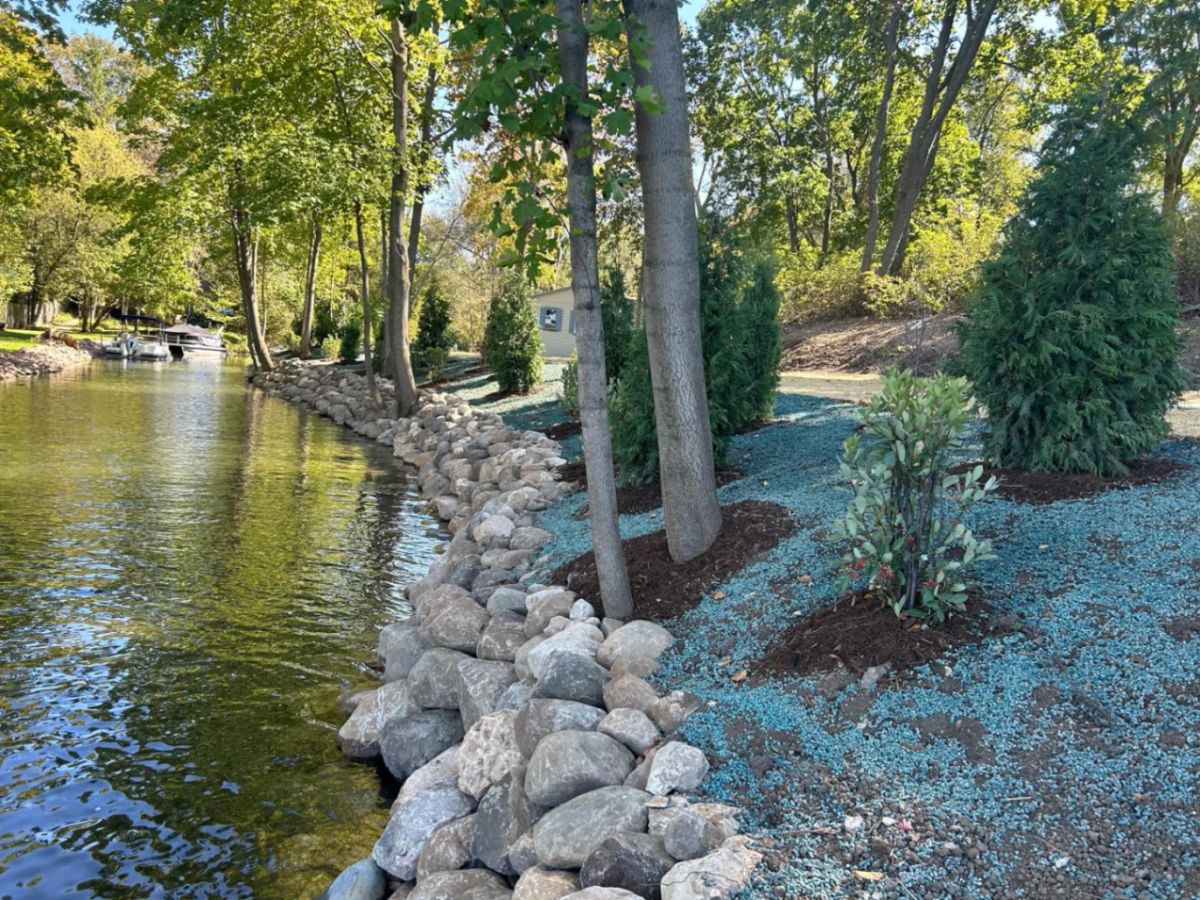
- Riprap and other shore protection
- Seawalls and bulkhead repair or replacement
- Dredging, beach grooming, and sand placement
- Boat ramps, piers exceeding standard exemptions, and boat shelters
- Bank grading near the shoreline
General Permit vs. Individual Permit
The first decision the form forces is whether your project qualifies for a General Permit (faster, fixed standards, reduced fee) or whether it has to be reviewed as an Individual Permit (longer timeline, public notice, custom conditions). Riprap, for example, can typically move through the GP26 General Permit if it meets stone size, slope, and length thresholds. A seawall in deteriorating condition is usually an individual permit. Picking the right path on day one is the single biggest factor in how long approval takes.
What the form asks for
- Property owner information and parcel ID
- Lake name and waterbody classification
- A scaled site plan showing the proposed work, dimensions, and ordinary high water mark
- Cross-sections for any structural work (riprap slope, wall height, footing depth)
- Pre-construction photos of the existing shoreline
- A narrative describing why the work is needed and how it will be built
- Description of erosion control measures during construction
Where Applications Get Delayed
The DNR is rarely the bottleneck. The bottleneck is usually a homeowner submitting a partial application without a scaled site plan, or proposing work that the local shoreland ordinance prohibits regardless of state approval. Common stall points:
- Site plan is missing dimensions or the ordinary high water mark. The reviewer cannot evaluate impact and the file goes inactive.
- Project conflicts with the 75-foot shoreland setback. See what can be built within the 75-foot setback before designing.
- Local approvals not started in parallel. County shoreland zoning runs independently, assume both tracks.
- Photos taken at the wrong time of year. Reviewers want to see the actual shoreline condition, not a snowbank.
Realistic Timeline
For a clean General Permit application with a complete site plan, the DNR's statutory clock is 30 days. Individual Permits can run 60–120 days plus public notice. We plan client schedules around these windows so construction is sequenced after approval, not against it. For a deeper look at how this plays out on real projects, see how shoreline permits work in Wisconsin and why projects get delayed.
What McGuire Handles On Your Behalf
For lakefront construction clients, we file the application as part of the project scope. That includes the site plan and cross-sections, the photos, the narrative, the erosion control plan, and any follow-up correspondence with the DNR reviewer. We also coordinate with the county shoreland office in parallel so neither approval becomes the bottleneck.
If you are starting to think about shoreline work in southeastern Wisconsin and want a realistic read on what your project will require, schedule a consultation. We will look at the shoreline, talk through what's possible within the regulations, and give you a clear path forward.
Planning shoreline or lake access work? See how we approach Lakeside Living